Every year, CppCon promises you a strong keynote lineup, and every year we deliver. But this year we get to do something rarer: announce a once-in-a-lifetime keynote panel of interest not just to C++ developers, but to our whole industry.
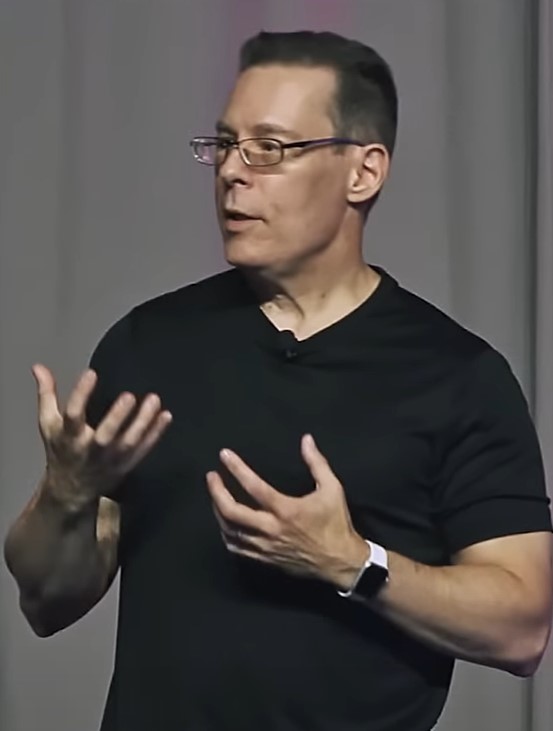
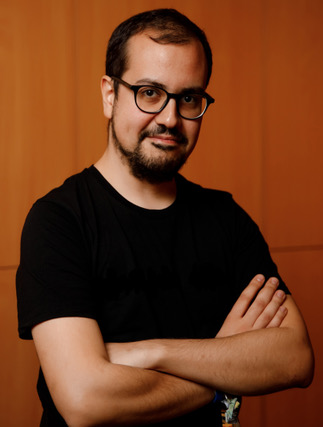
On Tuesday morning, September 15, the CppCon main stage will host a Language Designers Panel featuring three of the people who decide what the languages you use every day actually become:
- Bjarne Stroustrup, the creator of C++ (who will have just given his own Monday conference kickoff keynote the day before)
- Guido van Rossum, the creator of Python
- Mads Torgersen, the lead designer of C# and Anders Hejlsberg’s successor in that role
- Moderator: Emma Tracey, founder of CultRepo and producer of its new feature film C++: The Documentary and Python: The Documentary
Three living and growing languages used by millions of developers, three design philosophies, one stage, one conversation.
Bjarne and Guido have never been on stage together anywhere and may never be again; add Mads to the stage, and we expect this special moment to be watched, cited, and argued over for years. You can be in the room when it happens.
Why should a C++ audience care about a panel that is two-thirds “other languages”? The answer is that these languages are two of C++’s closest neighbors and are used together all the time.
- Python is, by the numbers, C++’s truest sister language. In the Standard C++ Foundation’s annual C++ developer survey, when we ask which other languages C++ programmers use, Python always comes first, consistently around 70 percent — ahead even of C, which you might expect to win and is consistently around 45 percent. If you write C++, the odds are very good that you also write Python; the two have grown up side by side, gluing and being glued, and the relationship only deepens each year.
- C# is, alongside C++, one of the two dominant languages on Windows, and the two are constantly used together — native performance underneath, managed productivity on top — so the person designing C# is designing part of the world that a great many C++ developers ship into.
So this is a conversation among the architects of the three languages most of us actually live in. What do they envy in one another’s designs? Where do they think they got it right, and where would they start over? How do you steer a language with millions of users and decades of existing code without breaking the people who depend on you? And the lessons to learn from their shared experience reach well beyond language design — the same instincts that shape a language will sharpen how you design your own libraries and products. Bring your own questions, too — you will not get a chance like this often.
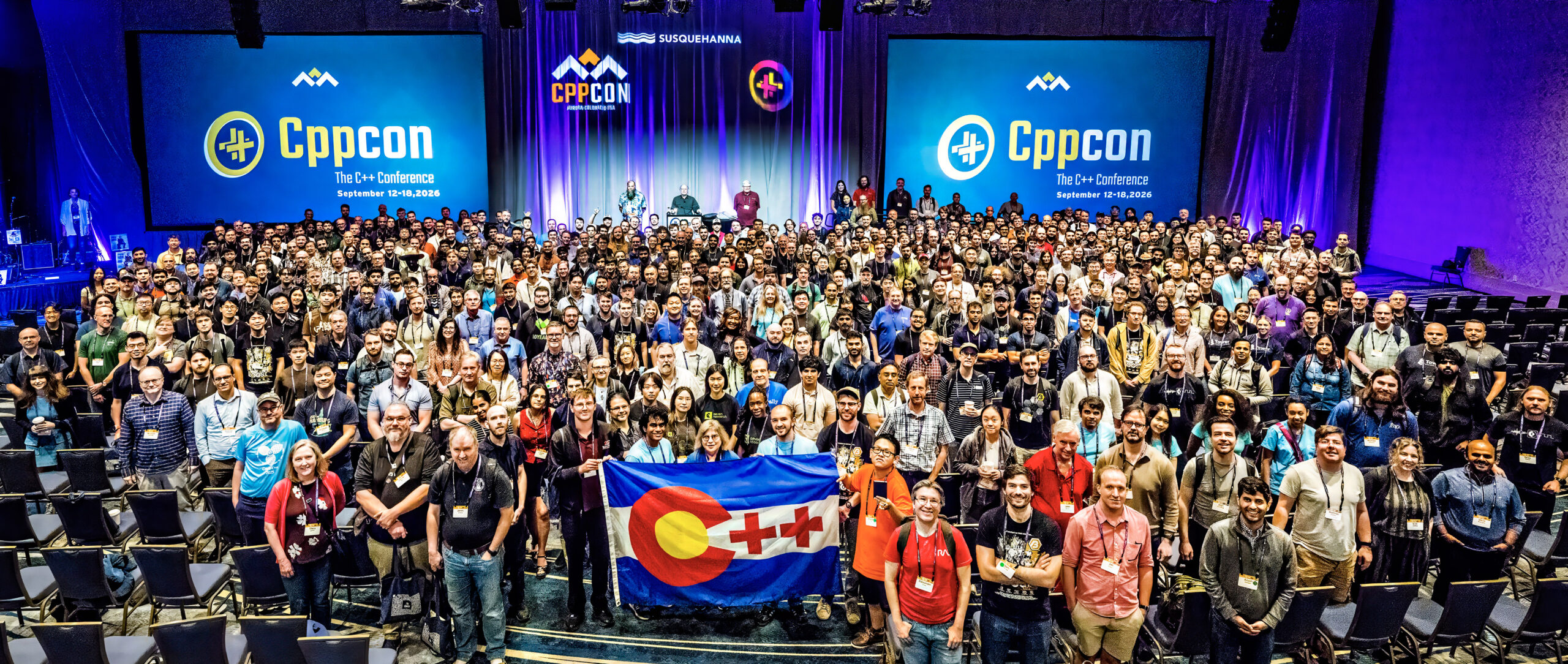
CppCon 2026 Early Bird registration discount is available for one more week, until June 26. After that, registration will continue to be available at the regular rate. CppCon 2026 runs September 12–18 at the Gaylord Rockies in Aurora, Colorado, and conference sessions are onsite-only this year — they will be recorded and posted to our YouTube channel afterward, but only the room gets the live experience and the chance to ask questions of all our speakers. If you have been waiting to register, this is the week to stop waiting.
Register now for CppCon 2026, and we’ll see you in Aurora.


The Back to Basics track focuses on teaching and reinforcing the fundamentals of C++. Talks in this track emphasize clear explanations of core language and library features, presented from first principles so that attendees can build a strong mental model.
The Tooling & Ecosystem track explores both the tools used to build C++ software and the broader ecosystem that supports modern development. This includes compilers, build systems, debuggers, static analysis, IDEs, and libraries, as well as package management and integration with other platforms.
The Embedded track showcases how C++ is used in constrained and hardware-adjacent environments. Sessions explore performance, memory efficiency, determinism, and reliability—key concerns in systems where resources are limited and correctness is paramount. The track also highlights tools and techniques for developing safety-critical applications, including machine controllers and medical devices.
The Robotics & AI track focuses on real-world systems that combine C++ with robotics, autonomy, and machine learning. Unlike academic venues, the emphasis is on practitioner experience, applied techniques, and lessons learned in production systems.
The Scientific Computing track covers high-performance and numerically intensive applications. Talks often address parallelism, numerical methods, large-scale data processing, and efficient use of modern hardware.
We all know that GameDev engineering does things a little differently, and this is the place to share the knowledge that the whole C++ community can benefit from. Topics of interest include:
The Business & Career track focuses on the professional side of working with C++. It includes topics such as team organization, leadership, career growth, and the role of C++ within industry.